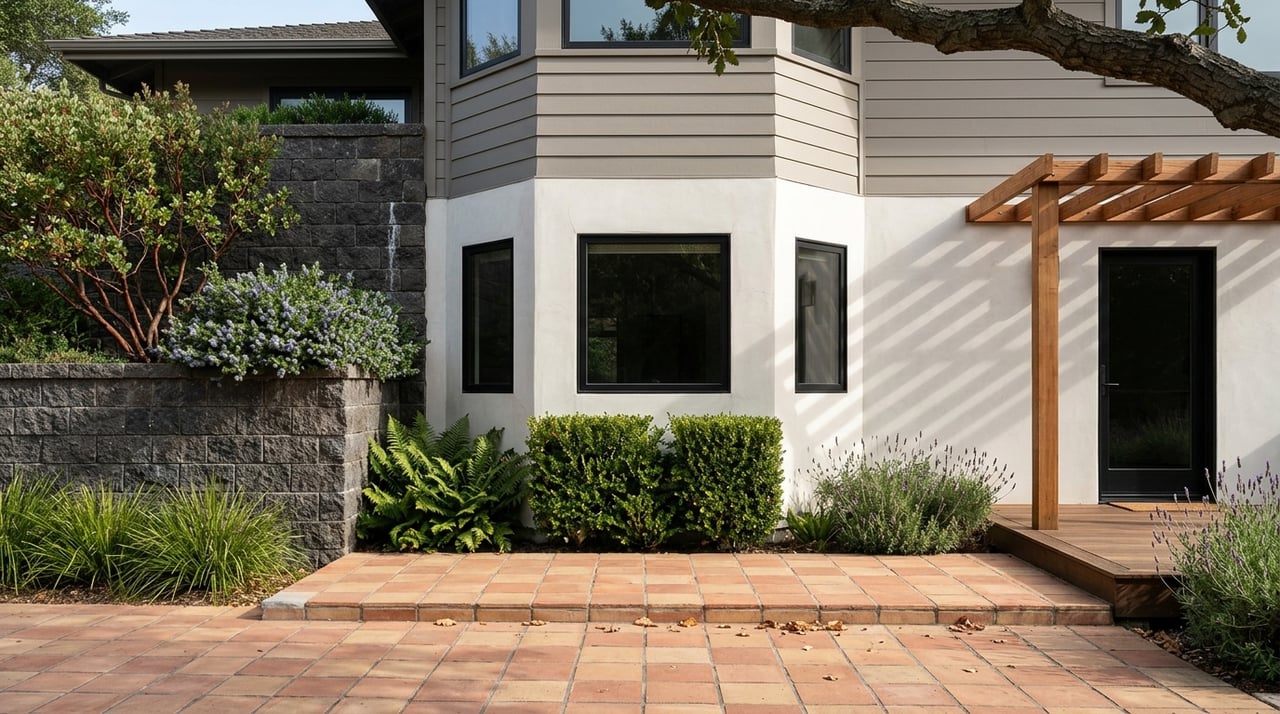
If you are considering a Ross estate home, it helps to look beyond square footage and finishes. In Ross, the setting, site conditions, and approval process can shape your ownership experience just as much as the house itself. When you understand those factors early, you can make a more confident decision and avoid surprises later. Let’s dive in.
Ross ownership feels distinct
Ross is a small, primarily residential town set in a valley between wooded hillsides. Town planning materials describe it as largely developed with single-family homes, with only a small share of multifamily and commercial land. That creates a quieter, more village-like environment than many nearby communities.
For you as a buyer, that often means estate ownership in Ross comes with privacy, space, and a lower-intensity daily rhythm. It also means you may rely on neighboring communities for more services, shopping, and employment. In practical terms, the lifestyle can feel peaceful, but less convenience-driven than a denser suburb.
Ross materials also note that walking is most practical in flatter downtown areas, while public transit is limited and ferry access is available in nearby Larkspur. If you are comparing Ross to other Marin locations, transportation patterns and day-to-day convenience deserve real attention. A beautiful property can be a great fit, but the setting should match how you actually live.
Estate grounds need close review
With Ross estate properties, the land itself often deserves as much scrutiny as the residence. Mature trees, slopes, retaining walls, drainage systems, and pool infrastructure can all affect future costs and planning. These are not minor background items in Ross.
Trees can affect future projects
Ross has detailed tree rules that can matter during renovations, landscaping, or site work. The town’s tree permit fact sheet says tree alteration can include grade changes around a tree and trenching in the root zone. Depending on the work, an application may require a certified arborist report, marked trees, and replacement planting.
That matters because even improvements that seem straightforward can trigger review when mature trees are involved. The town also requires posting for tree work, and violations can lead to civil penalties. If a property has significant tree cover, you will want to understand both the current condition and the likely limits on future changes.
Slopes and drainage can drive cost
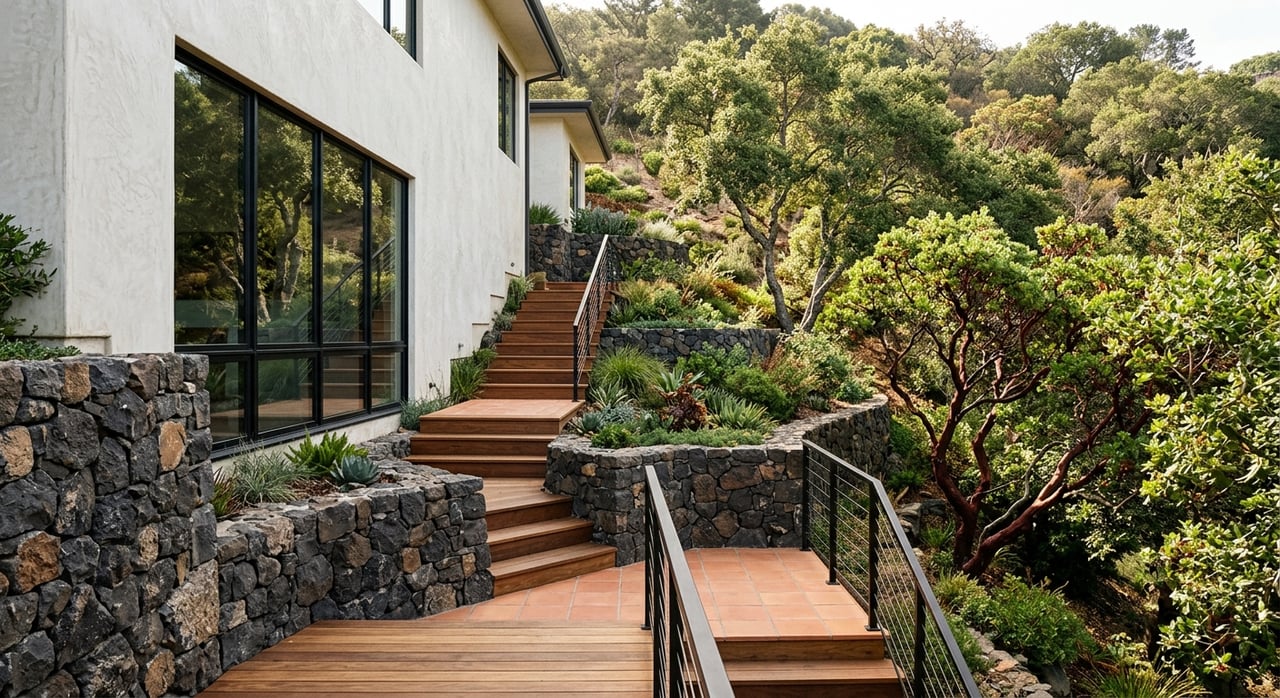
Ross design guidance notes that retaining walls are common, especially on sloping sites, but should be minimized visually and stepped with the topography. Town project conditions also show that larger site changes can require drainage plans, hydrologic or hydraulic analysis, stormwater compliance, erosion control, and coordination with arborists and fire staff. In other words, site work may involve more technical planning than many buyers expect.
This is especially important if you are thinking ahead to outdoor upgrades, expanded hardscape, or a larger remodel. A property’s usable space may depend on drainage, grading, and hillside constraints as much as lot size. Reviewing those factors early can help you separate cosmetic opportunity from true development potential.
Pools require permit and safety checks
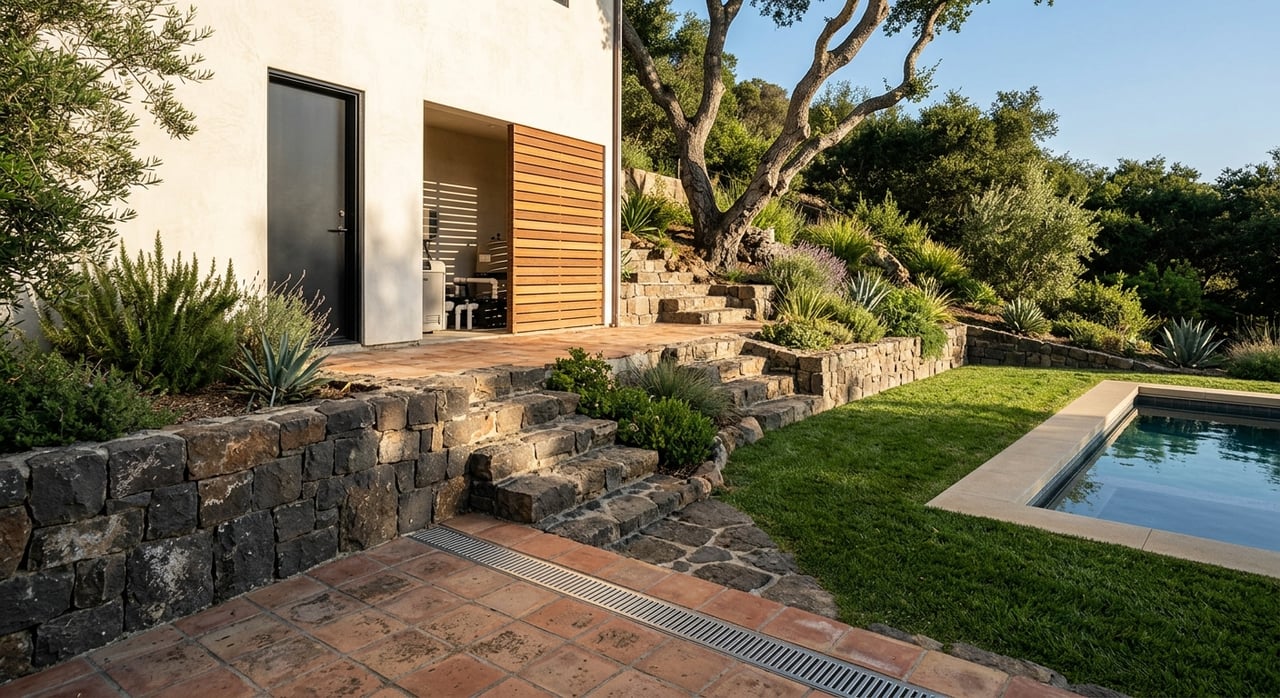
If the home has a pool or spa, early due diligence matters. California law requires safety features for new or remodeled private single-family pools, and local inspection is required at permit closeout. Approved barriers can include isolation fencing, self-closing and self-latching doors, alarms, or safety covers.
Ross is also within Marin Water’s service area, so domestic water service is provided through the regional utility. For buyers, the practical takeaway is simple: verify the pool’s permit history, safety barrier, and equipment condition before you get too far into the transaction. On an estate property, a pool is both an amenity and an ownership system that deserves inspection.
Remodeling in Ross is not automatic
Many luxury buyers assume that if they purchase a large property, future expansion will be straightforward. In Ross, that is not always the case. Design review and town approvals are central to the ownership experience.
Design review shapes what gets approved
Ross’s planning guide says the Advisory Design Review Group reviews site planning, massing, setbacks, light and air, privacy, and material selection. The General Plan adds that windows and skylights should maximize privacy between adjacent properties. It also says driveways and parking areas should minimize street visibility, provide safe access, minimize grading and retaining walls, and protect water quality.
For you, that means design choices are evaluated in context, not just by personal preference. Privacy, visual impact, and how a home sits on the land all matter in the approval process. If you are buying with plans to rework the house, it is wise to view that future vision through the lens of Ross review standards.
Large additions may need higher-level approval
The Town’s General Plan says the Town Council must approve all new houses and additions over 200 square feet. It also sets a guideline maximum of 10,000 square feet of total floor area for homes, with larger homes possible only if the Council finds them appropriate. That is an important distinction for buyers considering extensive additions or redevelopment.
This does not mean estate improvements are off the table. It means they are subject to a process, and that process can influence timeline, cost, and feasibility. In Ross, buying the right house often includes buying the right approval path.
Hazard and infrastructure due diligence matters
For estate buyers in Ross, due diligence should extend well beyond the interior inspection. Wildfire exposure, flood conditions, access, and sewer compliance can all affect ownership and future planning. These issues are especially relevant in a hillside, creek-influenced community.
Wildfire planning should be part of your review
Ross’s Local Hazard Mitigation Plan says the entire town is within the wildland-urban interface wildfire threat area. It also notes that hillside areas on the western and southwestern sides are threatened by wildland fuels. CAL FIRE guidance emphasizes the importance of home hardening, defensible space, and evacuation planning.
For an estate property, that means you should look closely at roof, vent, and siding conditions, as well as vegetation management around the home. Access also matters. Think about how quickly people and vehicles can leave the property in an emergency, especially on larger sites or narrower roads.
Flooding and drainage deserve attention
Ross hazard materials note that some parts of town are subject to periodic flooding from Ross and Corte Madera Creeks. In a community with steep terrain and narrow creek corridors, drainage can become a major ownership issue. A property can be visually stunning and still require careful evaluation of runoff, creek proximity, and site drainage performance.
This is one reason estate buying in Ross often benefits from a more technical review process. Drainage planning can affect landscaping, expansion plans, and even emergency access. It is worth understanding early, not after closing.
Sewer compliance is easy to overlook
Ross Valley Sanitary District says its service area includes Ross and that it operates about 200 miles of collection sewer lines and 19 pumping stations. It also states that about 45% of its collection system was installed before 1955. Just as important for buyers, the district requires a Certificate of Compliance for property sales, remodels over $75,000, or the addition of a bathroom.
The district also says homeowners are responsible for private sewer laterals, including many common laterals. That can make sewer review more important than some buyers expect, especially on older properties. Before buying, you should understand lateral responsibility, compliance status, and whether any upgrades may be needed.
A smart Ross buyer checklist
Because Ross estate ownership can involve more technical review than a typical home purchase, a focused checklist helps. The goal is not to complicate the process. It is to make sure the property, land, and future plans all align.
Here are some of the most important items to review:
- Tree history and any prior permits or restrictions
- Slope, grading, retaining wall, and drainage conditions
- Pool or spa permit history, safety features, and equipment condition
- Wildfire hardening features and defensible space needs
- Emergency vehicle access and evacuation practicality
- Flood exposure and creek-related drainage concerns
- Sewer lateral responsibility and Certificate of Compliance status
- Approval considerations for additions, rebuilding, or major landscape work
For many buyers, this is where local experience becomes especially valuable. In a market like Ross, understanding how property condition, town review, and long-term ownership costs fit together can help you move with more clarity and less friction.
If you are considering a Ross estate home, a measured and informed approach can protect both your investment and your peace of mind. The right property is not just impressive on first glance. It also works well with the town’s setting, infrastructure, and review standards over time.
When you want discreet guidance on evaluating estate properties in Ross and across Marin, Christine Christiansen offers a strategic, consultative approach grounded in local market knowledge.
FAQs
What makes buying a Ross estate home different from buying in other Marin communities?
- Ross is primarily residential, with a quieter setting, limited transit, and fewer in-town services than denser communities, so buyers often need to weigh lifestyle, access, and property systems more closely.
What should buyers check about trees at a Ross estate property?
- Buyers should review mature tree locations, any past tree permits, and whether future landscaping or construction could trigger town tree rules, arborist review, or replacement planting requirements.
What should buyers know about remodeling a Ross estate home?
- Buyers should know that design review is a major part of the process in Ross, and that new houses and additions over 200 square feet require Town Council approval.
What site issues matter most when buying a Ross estate property?
- Buyers should pay close attention to drainage, grading, retaining walls, slope conditions, and how those factors could affect future outdoor improvements or construction.
What hazard risks should buyers evaluate at a Ross estate home?
- Buyers should evaluate wildfire exposure, defensible space, home hardening, flood conditions near Ross and Corte Madera Creeks, and emergency access from the property.
What sewer issue should buyers review before purchasing a Ross home?
- Buyers should confirm sewer lateral responsibility and the property’s Ross Valley Sanitary District Certificate of Compliance status, since compliance is required for property sales and certain remodels.