Selling a legacy Ross estate is a high-stakes project. The market is thin, the buyer pool is selective, and privacy often comes first for families and trustees. You need a plan that protects discretion, supports price with real data, and presents the home in a way that attracts qualified buyers without unnecessary exposure. This guide gives you a clear, step-by-step approach tailored to Ross and Marin so you can sell confidently and efficiently. Let’s dive in.
Ross market at a glance
Ross sees few sales each year, which makes every closing meaningful for pricing. Local tracking shows 29 homes sold in Ross in 2025 with an average sale price of about $4,457,000 and an average near $1,438 per square foot, based on closed MLS activity compiled by a leading Marin broker. You can review the source in the Ross year-end activity report for 2025. See the local broker MLS summary.
Because annual counts are small, different data sources can look inconsistent month to month. Consumer portals may show different medians or days-on-market than local closed-sale averages. Use local MLS-based reports to anchor pricing decisions, then treat broader indices as context. County-level luxury reports also confirm that Marin’s upper tier is active but defined by a handful of large trades that can move averages. View the Marin luxury market overview.
Set a defensible price
Pricing in a thin market depends on a clear narrative, not just a number. Appraisers and buyers will ask why your valuation makes sense. A thoughtful comp story reduces friction, builds confidence, and helps avoid appraisal gaps.
Build a comp narrative
- Widen the time window if needed and explain why each comp was chosen.
- Adjust carefully for lot size, privacy, historic elements, views, and permitted improvements.
- Cross-check with immediately adjacent Marin submarkets only when warranted, and document adjustments.
Assemble a valuation dossier
Create a concise packet that supports price and smooths diligence:
- Recent comparable closings with maps and notes
- Permit and renovation records
- Roof, pest, and mechanical reports
- Survey or plot plan, plus HOA or CC&Rs if applicable
- A clear photo set and floor plan
A defensible package helps appraisers and buyer advisors align on value. In Ross, that preparation is often the difference between quick momentum and prolonged back-and-forth.
Protect privacy without shrinking value
You can keep a low profile and still reach the right buyers. The key is to choose the right privacy tools, follow the rules, and set a time-bound plan.
Know your MLS options
NAR retained the Clear Cooperation requirement while introducing Multiple Listing Options for Sellers in 2025, including a possible Delayed Marketing Exempt Listing category where locally adopted. This gives sellers the ability to delay public syndication under specific conditions with written instructions. Local MLS practices vary, so your agent should verify what is allowed and document your direction. Read NAR’s 2025 policy update and the summary of changes.
California resources also clarify that pocket or office-exclusive listings can be used in limited circumstances when they comply with MLS rules, fiduciary duties, and fair-housing laws. Written seller consent and clear disclosures are essential. Review the California pocket-listing guidance.
Off-market tactics that work
For high-end estates, effective privacy tools include broker-to-broker circulation to a vetted list, password-protected property packets with watermarked assets, no yard sign, and private showings only for verified buyers with proof of funds or lender pre-approval. Some sellers also request NDAs for serious prospects. These techniques narrow the buyer pool, so pricing and timing should reflect that tradeoff. See a concise overview of confidential listing tools.
Ross-specific sign and open house norms
Ross emphasizes a small-town character and regulates temporary signage in the right-of-way. If you prefer a no-sign, no-open-house approach, that aligns with local expectations and code. Review the Town of Ross regulations.
Presentation that moves the needle
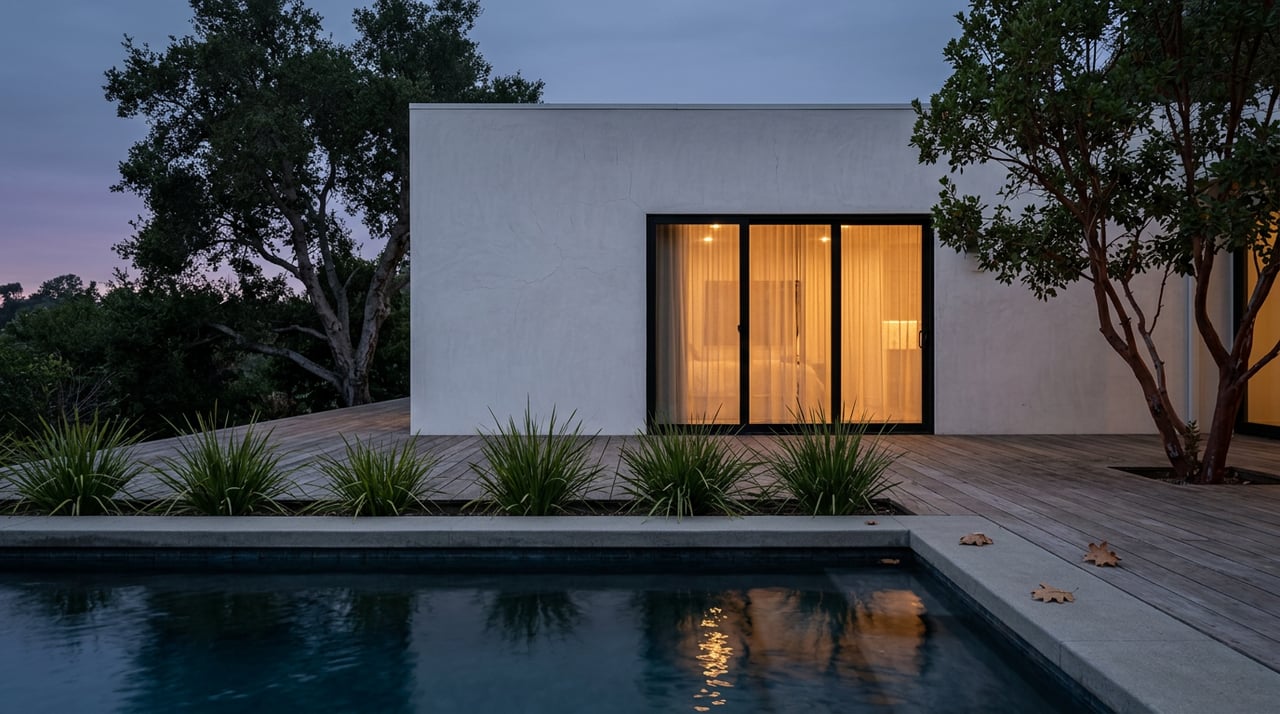
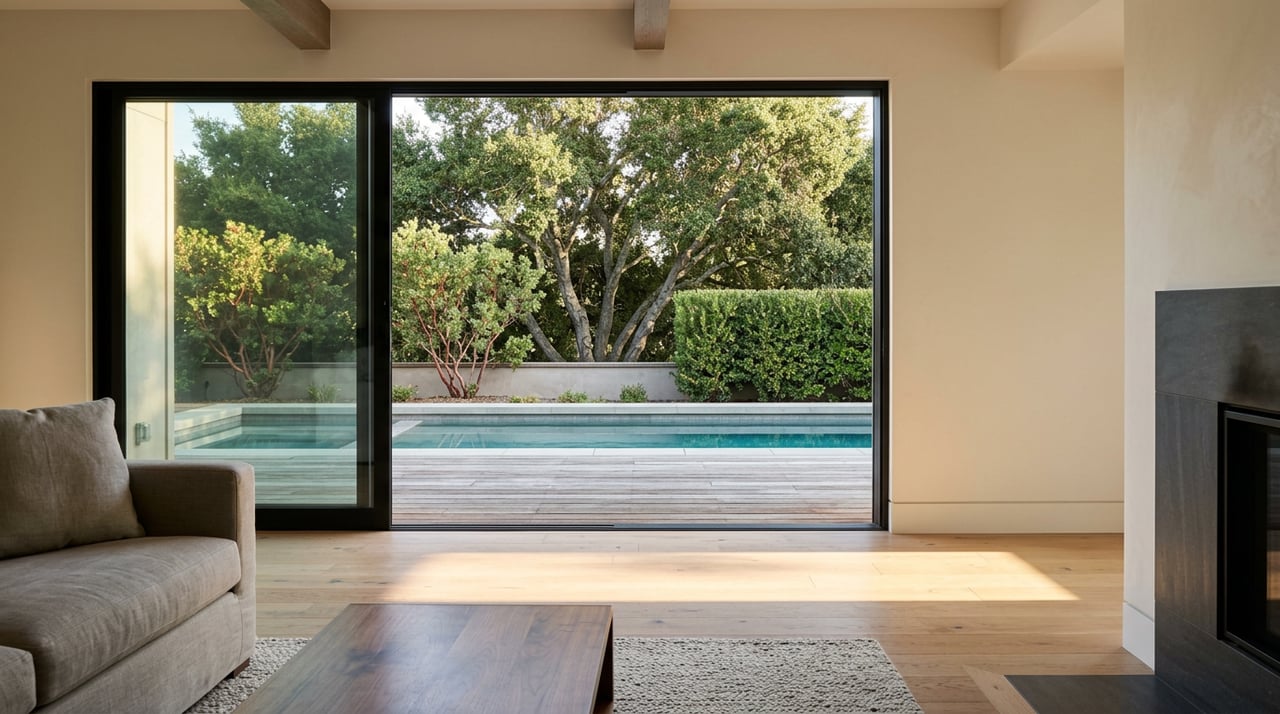
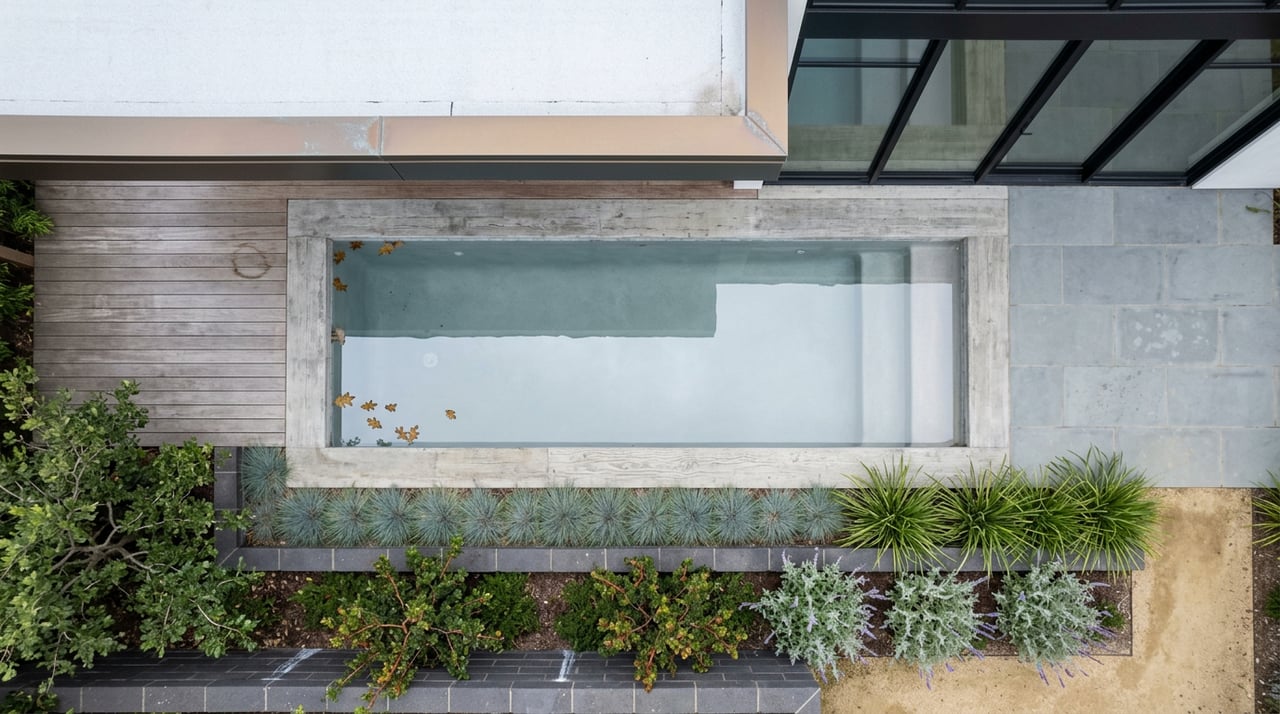
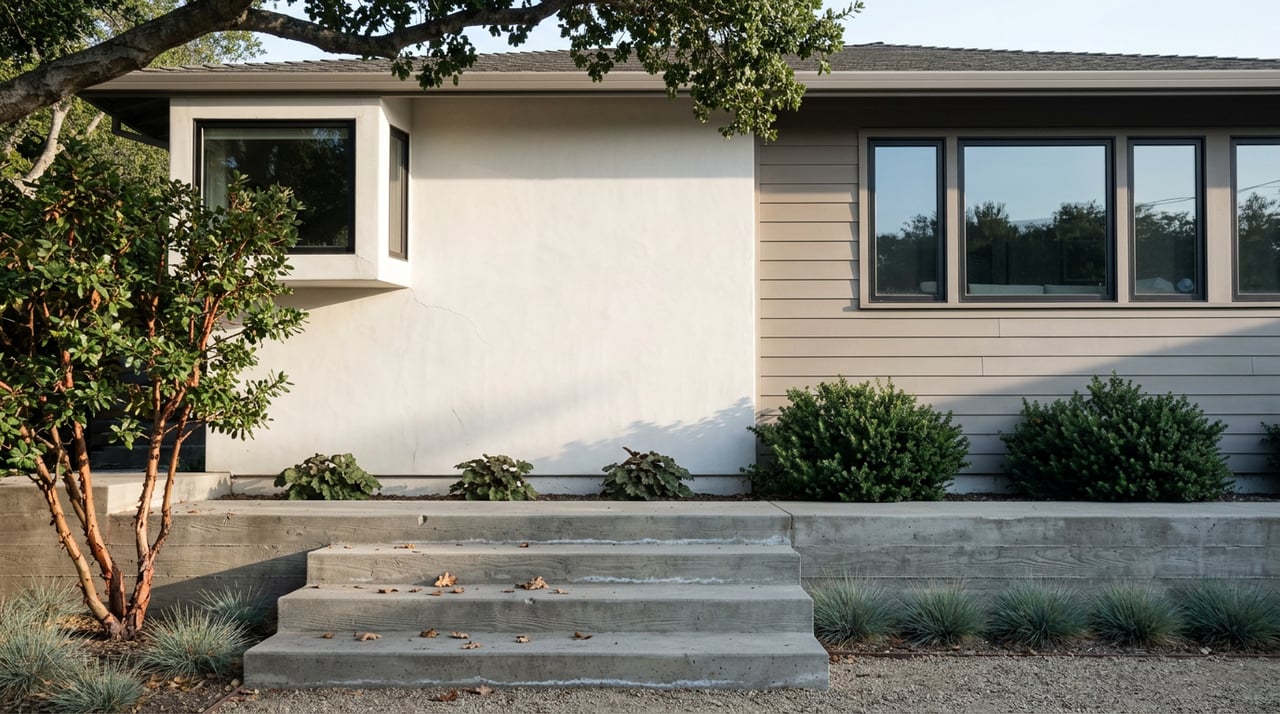
In the luxury tier, first impressions are everything. NAR’s 2025 Profile of Home Staging reports that a large majority of buyer’s agents say staging helps buyers visualize a property, and it may reduce time on market or lift outcomes by measurable margins. High-end photography, film, drone, and floor plans can materially improve visibility with qualified buyers. Explore the latest staging insights.
Focus investment where it counts:
- Primary rooms: living, kitchen, dining, and the primary suite
- Curb appeal and outdoor living areas favored in Marin
- Pre-photography styling or selective virtual staging
- Professional photo, video, drone, and a clean floor plan
Trust and estate mechanics in California
If the home is held in a living trust, the trustee can usually sell when the trust grants that power. Title and escrow will ask for a Certification of Trust under California Probate Code section 18100.5, trustee ID, and supporting documents. Many transactions accept a certification instead of the full trust to preserve privacy. Learn more about trust certifications.
In standard practice, escrow checklists and CAR forms reference items like certificates of trust or letters testamentary where probate is involved. Your escrow officer will specify what they need for your file. See a representative CAR forms reference.
If title was not placed into a trust, your attorney may need to open probate and seek court approvals. Timelines can lengthen in those cases, so bring counsel and escrow in early. For tax strategy, including basis and capital gains, consult your CPA or estate attorney before you fix your sale timing.
A discreet sale plan for Ross
Follow a simple, time-bound sequence that balances privacy with results:
Define objectives with decision-makers. Clarify your privacy threshold, acceptable net proceeds range, timing, and whether private offers will be considered. Put decisions in writing.
Retain a Marin luxury broker versed in Ross protocol. Confirm the agent’s approach to office-exclusive or delayed marketing and the local MLS rules. NAR’s 2025 policy changes support seller choice within local constraints. Review the NAR policy overview.
Build your transaction dossier. Order a preliminary title report and gather deed, survey, permits, inspections, and trust certification. A complete file builds buyer confidence and speeds escrow. Reference CAR’s forms framework.
Prepare and present. Use 2 to 8 weeks for light repairs, selective staging, and professional media. Package a watermarked, password-protected property brief for private circulation. Review current staging best practices.
Run a private window. For 30 to 60 days, invite vetted brokers and qualified buyers. Require proof of funds or lender pre-approval, verify buyer agents, and use NDAs if desired. Track interest weekly with clear pivot points. See a practical overview of confidential outreach.
Launch publicly if needed. If private outreach does not meet your targets, move to a controlled MLS launch with full marketing. Be ready with your dossier for appraisals and lender reviews.
Common pitfalls and how to avoid them
- Data whiplash. Small sample sizes can make averages swing. Anchor your price to local closed-sales data and label sources and timing. Use the Ross 2025 MLS summary.
- Compliance missteps. Office-exclusive or delayed marketing requires strict adherence to MLS rules, written seller consent, and fair-housing compliance. Review NAR’s 2025 policy details and California guidance.
- Appraisal gaps. Private or top-tier prices can trigger appraisal shortfalls for financed buyers. Mitigate with a strong valuation packet and consider prioritizing cash or bridge-capable buyers during a private phase.
- Document delays. Trust certifications, permits, or surveys requested late can slow escrow. Start title and escrow conversations early and keep your dossier current.
Selling a Ross estate home rewards careful planning. With a defensible price, a structured privacy window, and polished presentation, you can protect your family’s interests while achieving strong market results. For a confidential, data-driven plan tailored to your property, connect with Christine Christiansen.
FAQs
How is pricing set for a Ross estate in a thin market?
- Anchor your price to local closed-sales data, widen the comp window when needed, and document adjustments for lot, view, and permits to build a clear valuation narrative.
How long should a private listing window last in Ross?
- Many luxury brokers target 30 to 60 days, with proof-of-funds verification and tracked interest, then pivot to a public launch if goals are not met.
What documents do trustees need to sell a Ross home?
- Expect a Certification of Trust, trustee ID, deed, and key reports; escrow will specify exact items, and many accept a certification to preserve privacy.
Are yard signs or open houses necessary in Ross?
- No; Ross regulates temporary signage and many estate sellers choose no-sign and private showings to protect privacy and neighborhood expectations.
Does staging really matter for a high-end Ross estate?
- Yes; most buyer’s agents report staging helps buyers visualize a home, and professional media can reduce time on market and improve outcomes.
What if a buyer’s appraisal comes in low during escrow?
- Provide your valuation dossier to the lender’s appraiser, consider buyer cash supplementation, or adjust timing and terms to bridge the gap if needed.