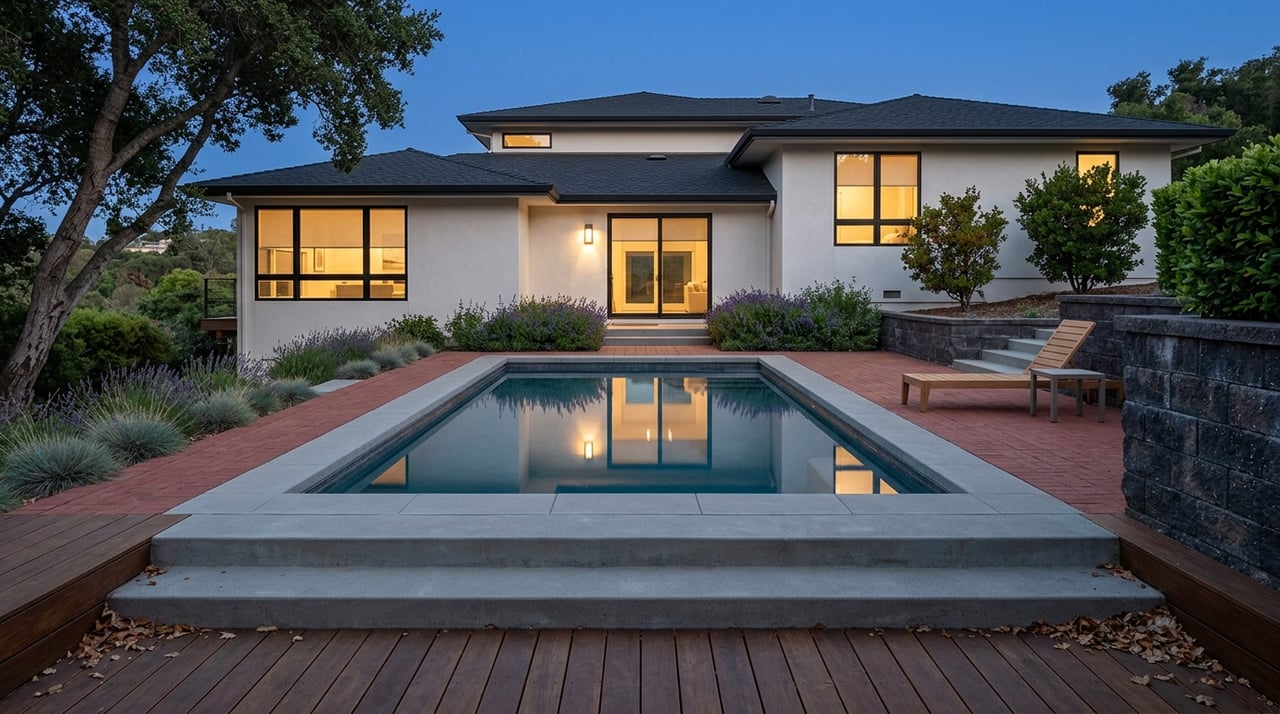
If you are comparing San Rafael’s luxury neighborhoods, the first thing to know is that there is no single luxury market here. San Rafael works more like a collection of distinct micro-markets, each shaped by location, topography, housing stock, and day-to-day lifestyle. Understanding those differences can help you focus on what matters most to you, whether that is waterfront access, hillside privacy, or a more central setting near downtown. Let’s dive in.
Why San Rafael Feels Different Block by Block
San Rafael has more than 30 neighborhoods, and the city treats several area types differently through planning and design standards. Hillside, canalfront, shoreline, and downtown areas each have their own context, which affects both the look of homes and the way a neighborhood lives.
That matters in the luxury market because value is often tied to very specific features. In San Rafael, those features tend to include water proximity, view quality, lot usability, architectural character, and access to downtown or transit.
Citywide numbers only tell part of the story. In March 2026, San Rafael’s median sale price was about $1.1 million, while Marin County’s FY-2026 median price was about $1.36 million. Recent neighborhood medians ranged from about $1.1 million in some central and hillside pockets to $2.15 million in Peacock Gap and about $1.90 million in Dominican-Black Canyon.
Waterfront Neighborhoods in San Rafael
For many luxury buyers, the waterfront market is about access and openness. These neighborhoods tend to attract buyers who want bay views, marina access, shoreline paths, or larger lots with a stronger sense of separation.
Representative water-oriented neighborhoods include Baypoint Lagoons, Bayside Acres, Country Club, Loch Lomond, Peacock Gap, and San Pedro Peninsula. While each has its own housing mix, they share a connection to the bay, marina uses, or shoreline amenities.
What Waterfront Living Offers
San Rafael’s waterfront amenities support an active outdoor lifestyle. McNears Beach Park offers a fishing pier, kayak and canoe access, tennis and pickleball, and bay views. Jean & John Starkweather Shoreline Park adds a shoreline pathway along San Francisco Bay, while Loch Lomond Marina includes 517 boat berths, a public boat launch, fueling, repair, and boardwalk access.
For some buyers, that combination is the main draw. You may be less focused on a traditional walkable downtown setting and more interested in boating, water views, or the feeling of space that comes with larger shoreline parcels.
Housing Mix Along the Water
Waterfront housing in San Rafael spans a wide range. In Loch Lomond, current inventory has included marina-front townhomes and condos with waterfront decks and dock access. In Baypoint Lagoons, Bayside Acres, and Country Club, larger bayfront homes can sit on lots exceeding 30,000 square feet or even an acre.
The Loch Lomond marina area also reflects a broader housing mix, with city-approved development that includes detached homes, cottages, townhomes, and condos. That mix gives buyers a few different entry points depending on how much space, maintenance, and direct water orientation they want.
Waterfront Price Positioning
This is generally the top end of San Rafael’s market. Recent figures placed Peacock Gap at a $2.15 million median sale price and San Pedro Peninsula at about $1.701 million.
At the same time, the category is not uniform. Current waterfront examples in Loch Lomond were listed around $1.2 million to $1.3 million, while larger bay-view estates in Country Club, Bayside Acres, or Peacock Gap can reach into the $2 million to $3 million-plus range.
Hillside Neighborhoods With Views
If waterfront buyers are often buying access, hillside buyers are usually buying outlook and privacy. In these neighborhoods, elevation, orientation, and architecture can have a major effect on both value and daily experience.
Representative hillside or slope-adjacent neighborhoods include Dominican-Black Canyon, Lincoln-San Rafael Hill, Glenwood, and Montecito-Happy Valley. These areas tend to appeal to buyers looking for a more tucked-away setting, view corridors, and homes designed to work with the land.
How Hillside Design Shapes Homes
San Rafael’s hillside guidance generally applies to residential parcels with an average slope over 25%. The city uses added review for building bulk, stepbacks, tree removal, and ridgelines.
In practical terms, that often leads to homes with terraces, decks, and indoor-outdoor living spaces rather than expansive flat lawns. For many buyers, that tradeoff is part of the appeal. You may gain privacy, dramatic outlooks, and a stronger architectural relationship to the site.
Housing Style in the Hills
These neighborhoods often feature older single-family homes, updated residences, and custom properties rather than newer tract-style product. In Dominican, recent examples have included a 1942 Craftsman with a permitted ADU, a 1968 mid-century home on a quarter-acre lot with valley and bay views, and a larger estate sale at $6.1 million.
Glenwood listings have also shown a view-oriented profile, including single-level homes with bay views and updated interiors. That variety means two homes in the same neighborhood can feel very different in utility and value depending on layout, finish level, and how well the site is used.
Hillside Price Positioning
Recent median sale prices show the spread within this category. Dominican-Black Canyon was about $1.9025 million in March 2026, Glenwood was about $1.498 million, and both Lincoln-San Rafael Hill and Montecito-Happy Valley were around $1.1 million.
That tells an important story. In San Rafael’s hillside market, the premium often comes less from the neighborhood name alone and more from the quality of the view, the usability of the lot, and the level of updates or architectural appeal.
Central San Rafael Luxury-Adjacent Areas
Central San Rafael offers a different kind of value. Instead of leading with marina access or elevated bay views, these neighborhoods tend to offer convenience, character, and a wider price range.
Key central or more walkable areas include Downtown, West End, Gerstle Park, Sun Valley, Central San Rafael, and Montecito-Happy Valley. Downtown is identified by the city as San Rafael’s commercial, employment, and transit center, and city planning also emphasizes mixed-use, livable areas around SMART stations.
What Buyers Get in Central Areas
If you want shorter trips to shops, restaurants, services, or transit, the central market may feel like the strongest fit. Housing also tends to be more varied here, which can create options for buyers who care as much about charm and flexibility as they do about square footage.
Compared with waterfront and hillside areas, the tradeoff is usually straightforward. You may give up dramatic water or ridge views, but gain convenience, lower-maintenance housing choices in some segments, and a broader mix of architectural styles.
Housing Mix and Character
Central neighborhoods usually include vintage homes, bungalows, duplexes, smaller-lot single-family homes, and downtown condos or mixed-use product. Recent examples have included a 1915 Gerstle Park home on a 14,845-square-foot lot, a West End mid-century residence with separate lower-level access, and a renovated Sun Valley home on a 0.36-acre lot with valley and Mount Tam views.
That range is part of what makes this area so nuanced. You can find homes with historic character, flexible living arrangements, or updated interiors close to the city core, but the product type varies significantly from one neighborhood to the next.
Central Price Positioning
This is the most price-diverse part of the city. Downtown San Rafael posted a $477,000 median sale price in December 2025, though that reflects a product mix that is heavier in condos and mixed-use residences.
Broader Central San Rafael was about $1.27 million in March 2026, Gerstle Park was about $1.2975 million, Sun Valley was about $1.205 million, and Montecito-Happy Valley was about $1.101 million. For buyers, that means the central market can offer more varied entry points while still including higher-end single-family opportunities.
How to Compare San Rafael’s Luxury Areas
The best neighborhood for you depends on what you value most in daily life. In San Rafael, luxury is not defined by one look or one price point. It is defined by how a property’s setting lines up with your priorities.
Here is a simple way to think about the city’s three main luxury-oriented categories:
| Area type | Often appeals to buyers seeking | Typical value drivers |
|---|---|---|
| Waterfront | Bay access, marina lifestyle, shoreline setting | Water proximity, views, lot size, privacy |
| Hillside | Outlook, privacy, architecture tied to the site | View quality, lot utility, finish level |
| Central | Convenience, character, flexible housing types | Walkability, proximity to downtown, architectural variety |
If you are buying, this framework can help you narrow your search quickly. If you are selling, it can also clarify which features deserve the strongest emphasis in pricing, preparation, and marketing.
What Sellers Should Know
For sellers, the key question is rarely whether your neighborhood is the best. The more useful question is which features drive value in your specific micro-market.
In San Rafael, buyers tend to respond to different things depending on location. In waterfront areas, that may be dock access, bay orientation, or lot scale. In hillside neighborhoods, it is often view quality, privacy, terraces, and how the home sits on the lot. In central neighborhoods, architectural character, flexibility, and proximity to downtown services can carry more weight.
That is why neighborhood-level strategy matters. A data-driven launch plan, thoughtful preparation, and clear positioning can make a meaningful difference, especially in upper-mid and luxury price points where buyers compare homes very carefully.
If you are weighing where to buy or how to position a home for sale in San Rafael, working with someone who understands these micro-markets can help you make a more confident decision. For discreet, strategic guidance tailored to your goals, connect with Christine Christiansen.
FAQs
What makes San Rafael’s luxury market different from other Marin markets?
- San Rafael’s luxury market functions as a group of micro-markets, with pricing and lifestyle differences shaped by waterfront access, hillside views, central location, housing type, and lot characteristics.
Which San Rafael neighborhoods are considered luxury waterfront areas?
- The clearest water-oriented luxury or luxury-adjacent neighborhoods include Baypoint Lagoons, Bayside Acres, Country Club, Loch Lomond, Peacock Gap, and San Pedro Peninsula.
How do hillside neighborhoods in San Rafael differ from waterfront areas?
- Hillside neighborhoods usually appeal to buyers seeking privacy, outlooks, decks, terraces, and architecture shaped by slope, while waterfront areas more often attract buyers focused on bay access, marina use, shoreline paths, and larger water-oriented lots.
Which central San Rafael neighborhoods offer higher-end homes?
- Downtown, West End, Gerstle Park, Sun Valley, Central San Rafael, and Montecito-Happy Valley all fall within San Rafael’s more central, walkable, or luxury-adjacent market, though home types and price points vary widely.
What should sellers highlight in a San Rafael luxury home listing?
- Sellers should focus on the features that drive value in their specific neighborhood, which may include water proximity, view quality, lot usability, architectural character, or proximity to downtown and transit.